Understanding Kitchen Loofah Benefits
What is a Kitchen Loofah?
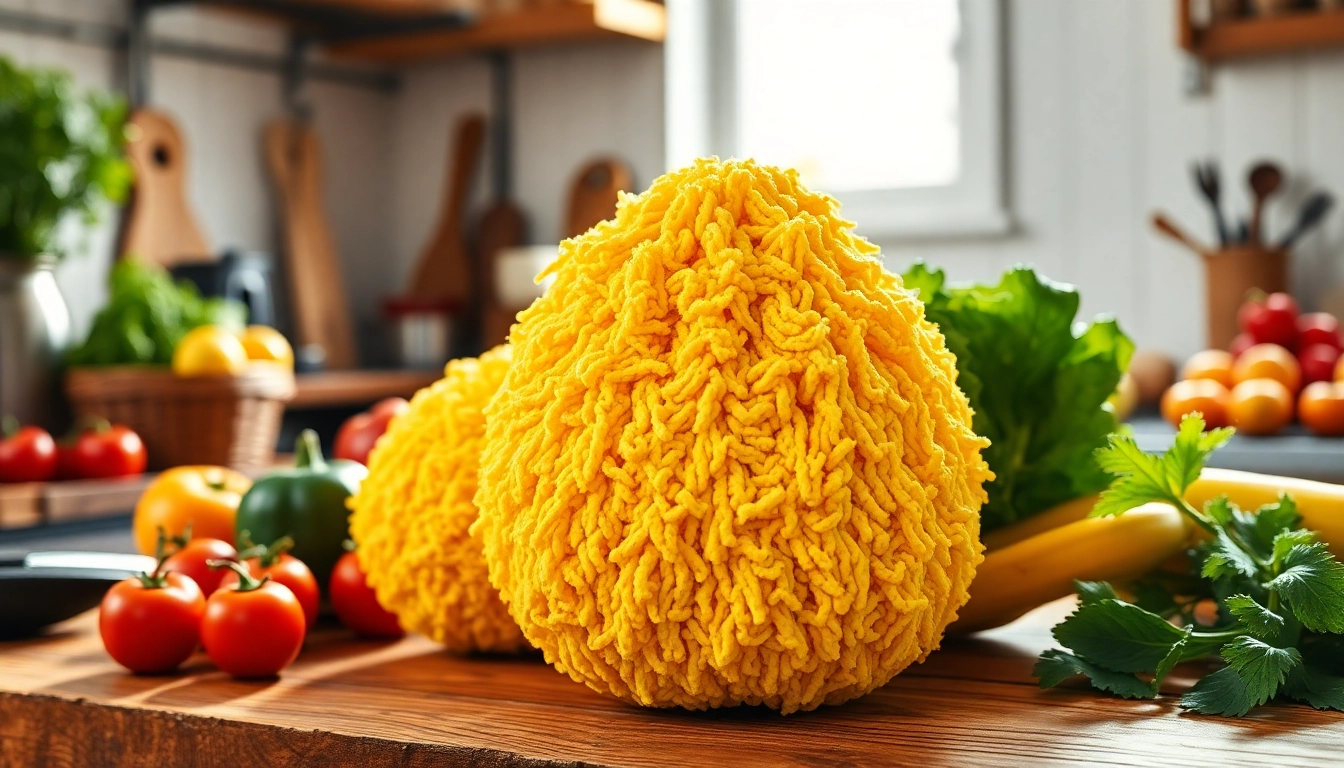
A kitchen loofah, often called loofah sponge, is a natural product derived from the fibers of the loofah plant, scientifically known as Luffa cylindrica. While it may look like a simple sponge, this unique product has a multitude of uses and benefits that make it a valuable addition to any kitchen. Unlike synthetic alternatives, a kitchen loofah is environmentally friendly and biodegradable, making it a sustainable choice for eco-conscious consumers. Its porous structure allows for efficient cleaning and scrubbing, making it a versatile tool for various kitchen tasks.
Natural Properties of Loofahs
Loofahs are prized for their unique natural properties. The fibrous structure of a loofah is not just aesthetically appealing; it is effective for both cleaning and exfoliation. When dried, the fibers are tough yet flexible, allowing them to remove food residue and grime from dishes and surfaces without causing scratches. Additionally, their natural texture provides gentle exfoliation for the skin, making kitchen loofahs dual-purpose cleaning tools. Their absorbent nature also ensures that liquids are quickly drawn away, which is essential for maintaining cleanliness in your kitchen.
Environmental Benefits
In an age where environmental consciousness is critical, the kitchen loofah stands out for its sustainability. Unlike synthetic sponges that contribute to plastic waste, kitchen loofahs are 100% biodegradable. When disposed of, they decompose naturally, returning essential nutrients to the soil rather than polluting the environment. Choosing a kitchen loofah contributes to reducing your overall carbon footprint. Furthermore, they are cultivated without harmful pesticides, making them a safer choice for your family and the planet. To learn more about these sustainable practices, consider researching various kitchen loofah benefits that enhance your kitchen experience.
How to Use Kitchen Loofahs Effectively
Cleaning vs. Exfoliating
Understanding the primary functions of kitchen loofahs can significantly enhance their effectiveness. As cleaning tools, they excel at scrubbing pots, pans, and dishes, effortlessly removing stubborn food particles and grease. Their soft yet robust fibers are ideal for non-stick surfaces, allowing for thorough cleaning without damaging coatings. On the other hand, kitchen loofahs can be utilized for exfoliating skin. When used in the shower, they help slough off dead skin cells, promoting healthy skin regeneration. It’s essential to designate loofahs for different uses to maximize their benefits and prevent cross-contamination.
Tips for Proper Use
To fully utilize your kitchen loofah, start by soaking it in warm water to soften the fibers. This step is especially important for tough scrubbing tasks. When cleaning dishes, pair the loofah with your preferred soap or detergent to achieve optimal results. Post-use, rinse the loofah under hot water to remove debris and allow it to air dry thoroughly in a well-ventilated area. Regularly rotating between multiple loofahs can also prolong their lifespan and effectiveness. Additionally, using separate loofahs for cleaning and exfoliating can help maintain hygiene and prevent bacterial growth.
Safety Considerations
While kitchen loofahs are generally safe, it is crucial to follow certain precautions. Ensure you always wash your loofah after each use, as moist environments can foster bacterial growth. Also, avoid using loofahs on open wounds or irritated skin to prevent infection or irritation. If you have sensitivities, conducting a patch test before extensive skin use is advisable. Lastly, regularly inspect your loofah for any signs of wear or damage, as this can compromise its effectiveness and safety.
Comparing Kitchen Loofahs with Other Cleaning Tools
Loofah vs. Synthetic Sponges
When comparing kitchen loofahs with synthetic sponges, several key differences emerge. Synthetic sponges are often made from petroleum-based materials that do not decompose, leading to environmental waste. Conversely, kitchen loofahs offer an eco-friendly alternative that breaks down naturally. In terms of cleaning effectiveness, loofahs can outperform synthetic options, especially when it comes to scrubbing without scratching surfaces. Moreover, while synthetic sponges may harbor bacteria over time, loofahs can be regularly cleaned and dried out, reducing the risk of bacterial growth when properly maintained.
Environmental Impact Comparison
One of the most significant distinctions between loofahs and synthetic sponges is their environmental impact. Synthetic sponges contribute to plastic pollution and can take hundreds of years to decompose, whereas kitchen loofahs are biodegradable and cultivate sustainable farming practices. Choosing loofahs reduces reliance on plastic products, thus lessening your ecological footprint. Additionally, many loofahs are grown organically, minimizing harmful agricultural practices and promoting biodiversity.
Cost-Effectiveness Analysis
When evaluating cost-effectiveness, it’s essential to consider both the initial purchase price and the longevity of the product. While kitchen loofahs may have a comparable upfront cost to synthetic sponges, they often last longer and can be reused multiple times with proper care. This longevity translates into cost savings over time. Additionally, the increased durability of loofahs means fewer replacements, making them a more cost-effective choice in the long run. Furthermore, the environmental cost of using loofahs remains lower compared to constantly replacing disposable synthetic sponges.
Maintenance and Care for Kitchen Loofahs
Cleaning Your Loofah
To maintain hygiene and effectiveness, cleaning your kitchen loofah regularly is paramount. It is recommended to rinse it thoroughly after each use to remove soap residue and food particles. Once a week, you can also soak it in a mixture of vinegar and water to disinfect and remove any lingering odors. After cleaning, ensure it dries completely, as this will help limit bacterial growth and extend its lifespan.
Storage Solutions
Proper storage is crucial for maintaining the integrity of your kitchen loofah. Ideally, store your loofah in a dry area where airflow is unrestricted. Hanging it in your kitchen or bathroom can reduce moisture build-up and enhance drying. Avoid storing loofahs in closed containers or damp areas, as this can accelerate the growth of mold and bacteria. Consider designating a specific spot for them in your kitchen to ensure they can dry adequately after each use.
Signs of Wear and When to Replace
Recognizing when to replace your kitchen loofah is essential for maintaining optimal hygiene standards. Signs of wear may include fraying edges, discoloration, or an unpleasant odor that doesn’t wash out. If your loofah is breaking apart and the fibers are thinning, it’s time for a replacement. As a general rule, it is wise to replace loofahs every 3 to 4 weeks or sooner if you notice any signs of damage or excessive wear.
FAQs About Kitchen Loofah Benefits
What are the cleaning properties of a kitchen loofah?
Kitchen loofahs are excellent for scrubbing and exfoliating surfaces without scratching them, making them ideal for your dishes.
Is a kitchen loofah environmentally friendly?
Yes, kitchen loofahs are biodegradable and cultivated from natural materials, reducing plastic waste in your kitchen.
How often should I replace my kitchen loofah?
It's advisable to replace your kitchen loofah every 3-4 weeks to maintain cleanliness and hygiene.
Can kitchen loofahs harbor bacteria?
Yes, if not cleaned and dried properly, loofahs can harbor bacteria. Regular cleaning helps mitigate this risk.
Are there any allergies associated with loofahs?
Generally, loofahs are safe, but some people with sensitive skin may experience irritation. Test on a small area first.