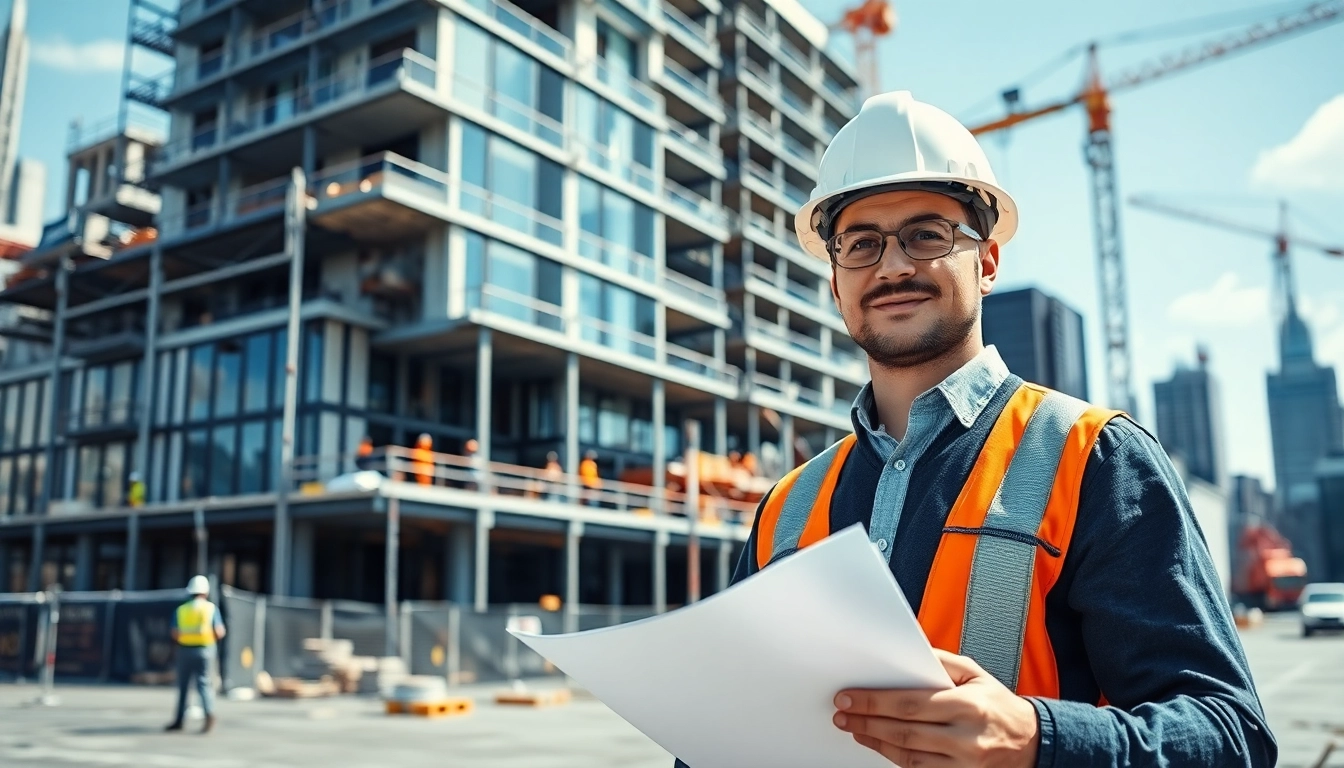
Understanding the Role of a Manhattan General Contractor
In the bustling urban landscape of Manhattan, construction projects abound, ranging from boutique renovations to towering skyscrapers. At the heart of these projects is the Manhattan General Contractor, a key player responsible for orchestrating the many moving parts involved in the building process. Understanding their role can empower you to effectively navigate your construction project and achieve the desired outcome.
What Defines a General Contractor in Manhattan?
A general contractor in Manhattan references a construction professional or company hired to manage and oversee construction projects. Their responsibilities can include everything from hiring subcontractors, coordinating schedules, and managing supplies all the way to ensuring compliance with local regulations and safety standards. The unique challenges of constructing in a dense urban environment like Manhattan require contractors to adapt effectively to the infrastructure and zoning laws that govern the area.
Key Responsibilities and Skills
The responsibilities of a general contractor extend beyond merely managing the building site. Here are some key areas of responsibility:
- Project Planning: From initial budgeting to creating timelines that align with your vision.
- Team Management: Selecting, hiring, and supervising subcontractors such as electricians, plumbers, and carpenters.
- Quality Assurance: Ensuring all work performed adheres to building codes, safety regulations, and quality standards.
- Vendor Coordination: Managing relationships with suppliers to ensure timely delivery of materials.
Skills that are essential for success in this role include strong communication, problem-solving techniques, and organization. A competent Manhattan General Contractor should also have a robust understanding of construction methods and materials, as well as current industry trends.
The Importance of Licensing and Insurance
In New York City, general contractors must possess the appropriate licenses and insurance before working on construction projects. Licensing ensures that the contractor has met specific educational and test requirements demonstrating proficiency in construction practices. Furthermore, having liability insurance protects not only the contractor but also you, the property owner, in the event of accidents or damages. Always verify that any potential contractors hold valid licenses and sufficient coverage to safeguard your investment.
Choosing the Right Manhattan General Contractor for Your Project
Selecting the right contractor is critical to a successful project. An informed choice can save you time, money, and frustration. Here are essential considerations for making that decision.
Evaluating Experience and Past Projects
When searching for a Manhattan General Contractor, review their previous work and experience in projects similar to yours. Experienced contractors bring insights that can only be gained through years on the job. Ask for a portfolio showcasing past projects, including images, client testimonials, and project outcomes. A well-rounded contractor should have experience in similar settings, so questions about urban construction, building regulations, and unique project challenges should guide your discussions.
Questions to Ask During Consultations
During the initial consultations, asking the right questions can reveal valuable information about the contractor’s capabilities:
- What is your approach to project management?
- Can you provide references from previous clients?
- How do you handle unexpected challenges or changes during a project?
- What is your experience with permits and zoning regulations in Manhattan?
A contractor's responses will give you insights into their work ethic, communication styles, and capability to handle complexities, which are crucial for urban projects.
Understanding Contracts and Pricing
Once you’ve identified potential contractors, the next step is understanding their pricing structures and the terms outlined in your contract. Pricing can vary significantly based on factors like project scope, complexity, and materials used. Ensure that all costs are clearly outlined in the contract to prevent any unexpected financial surprises later. Examples of transparent pricing structures include fixed prices or hourly rates, often depending on the project scope. Make sure to read the fine print concerning project timelines, warranties, and payment schedules.
Project Management: Workflow Insights from a Manhattan General Contractor
Effective project management is a hallmark of an accomplished general contractor. This section explores how contractors navigate the workflow of urban construction, ensuring efficiency and quality.
Scheduling and Timelines
Creating a realistic project schedule is essential for managing timelines. A competent contractor will utilize project management tools to develop comprehensive schedules that include timelines for each phase of construction, with allowance for unforeseen delays. Understanding seasonal influences, permit processing times, and potential subcontractor availability is crucial when plotting a timeframe. Before project initiation, collaborating on a timeline that sets milestones can positively impact productivity.
Communicating with Clients and Subcontractors
Effective communication is crucial in construction management. Regular updates between clients and contractors help keep all parties informed regarding project progress and any necessary adjustments. Utilizing modern communication tools, such as project management apps, can facilitate real-time updates, encourage collaboration among subcontractors, and promote transparency. Consider setting regular check-in meetings to discuss updates and any concerns.
Addressing Challenges in Urban Construction
Construction in Manhattan comes with unique challenges, such as limited space, logistical constraints, and local regulations. Skilled general contractors develop strategies to mitigate these challenges, such as using smaller equipment adapted to tight urban spaces or scheduling deliveries during off-peak hours. Staying informed about zoning laws and permitting requirements enables contractors to avoid costly delays and maintain compliance throughout the construction process.
Innovative Trends in Manhattan Contracting
The construction industry is evolving rapidly, influenced by sustainability and technological advancements. A strong Manhattan General Contractor should stay abreast of emerging trends that can enhance project outcomes.
Sustainable Building Practices
In response to growing environmental concerns, sustainable building practices are becoming increasingly important. This includes using eco-friendly materials, implementing energy-efficient systems, and incorporating renewable energy designs. Contractors can guide clients through LEED (Leadership in Energy and Environmental Design) certification processes, which demonstrate a commitment to sustainability while potentially reducing long-term operational costs.
Technology in Construction Management
Advancements in construction technology have transformed how projects are managed. Digital tools enable contractors to conduct virtual walkthroughs, monitor real-time progress through drones, and maintain precise project documentation. Leveraging Building Information Modeling (BIM) can enhance collaboration and reduce errors in design and construction, ultimately improving the project outcome and efficiency.
Future-Proofing Urban Developments
As Manhattan continues to evolve, future-proofing urban developments involves ensuring that buildings can adapt to shifts in technology, demographics, and environmental changes. Smart building technology allows for monitoring and optimizing resource use, which appeals to tenants’ growing preferences for sustainability. Moreover, flexible floor plans that can be easily adapted for various uses contribute to the longevity and relevance of commercial spaces.
FAQs about Working with a Manhattan General Contractor
What should I look for in a general contractor?
Focus on their experience, past projects, and customer reviews. Ensure they have the proper licenses and understand local regulations.
How much does it cost to hire a Manhattan general contractor?
Costs vary based on project size and complexity, often ranging from $50 to $200 per hour. A detailed estimate can provide clarity.
How long does a renovation take?
Timing depends on project scope; most renovations range from a few weeks to several months. Clear timelines should be established at the outset.
Do I need permits for construction in Manhattan?
Yes, most construction projects require permits. A general contractor can assist in navigating this process, ensuring compliance with local regulations.
What is the best way to communicate with my contractor?
Set regular meetings and maintain open communication via email or project management tools for updates, preventing misunderstandings.