Understanding the Importance of Home Appliances
In our modern life, home appliances have become integral to our daily routines, enhancing convenience and efficiency within our living environments. They streamline myriad tasks, making everyday household chores quicker and more manageable. The evolution of technology has led to a vast array of appliances designed to cater to various needs, reflecting the dynamism of our lifestyles.
The Role of Home Appliances in Daily Life
Home appliances serve essential functions that range from basic cooking to maintaining hygiene and comfort. For instance, kitchen appliances like refrigerators and ovens are crucial for food preservation and preparation, directly influencing our health and nutrition. Laundry appliances, such as washing machines and dryers, alleviate the physical demands of maintaining clothing cleanliness. In addition, personal care appliances like electric shavers and hair dryers contribute to daily grooming routines, enhancing our self-care practices.
Types of Home Appliances and Their Functions
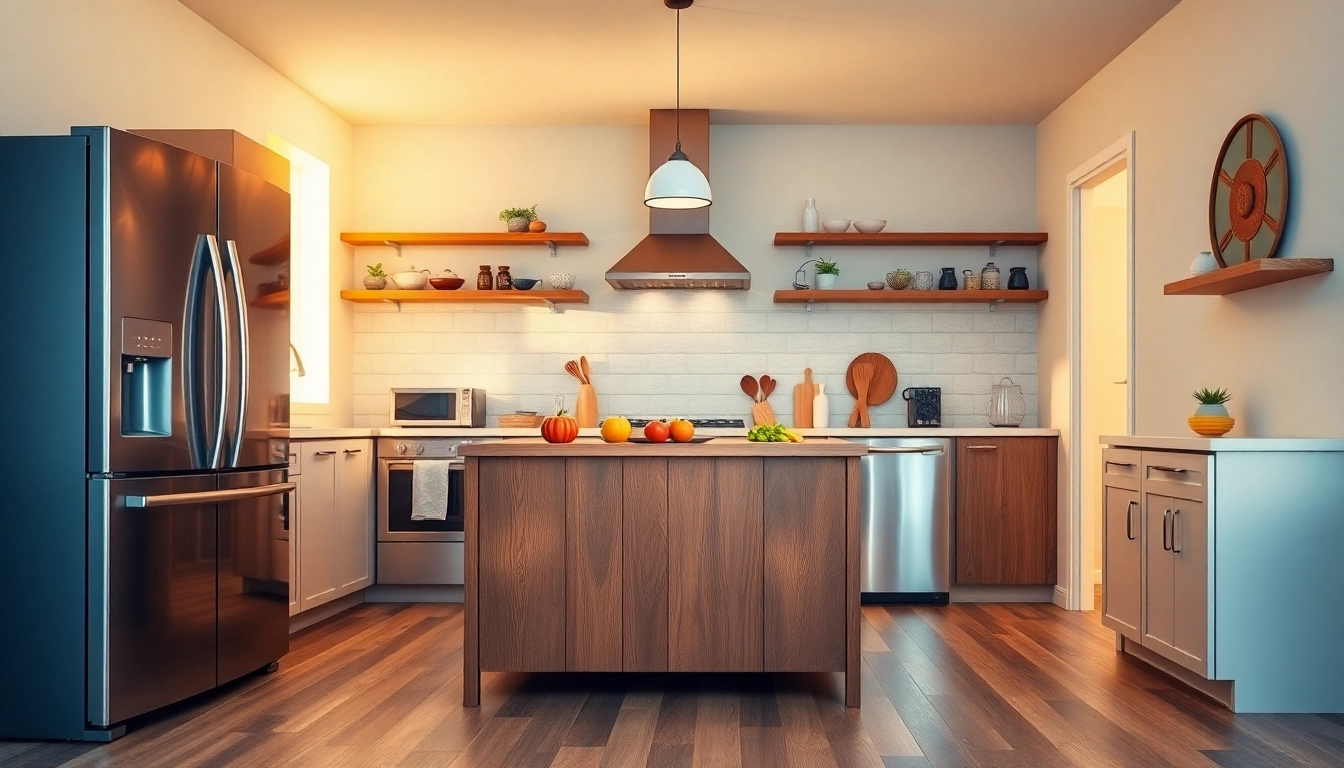
Home appliances can be broadly categorized into major and small appliances. Major appliances, including refrigerators, ovens, washers, and dryers, usually remain in place and are vital for fundamental household functions. They typically require significant energy usage but offer significant time and labor savings. Small appliances, such as blenders, microwaves, and toasters, are portable and assist in a variety of tasks, thereby adding flexibility in the kitchen.
Energy Efficiency and Sustainability Considerations
With growing awareness around environmental concerns, energy efficiency has become a critical consideration when selecting home appliances. Energy-efficient models can lead to substantial savings on utility bills while minimizing environmental impact. Look for Energy Star-certified products that denote compliance with stringent energy efficiency guidelines. Additionally, opting for appliances with smart technology can further enhance energy conservation by fine-tuning operations according to usage patterns.
Choosing the Right Home Appliances for Your Needs
Assessing Your Kitchen and Living Space
Selecting the appropriate home appliances starts with a thorough assessment of your kitchen and living area. Consider the size and layout of your space; larger appliances may not be ideal for compact kitchens. Proper measurements can prevent purchasing items that won’t fit or function as intended. Additionally, consider your family structure and lifestyle; a larger family may require a high-capacity washer or a double oven for meal prep.
Budgeting for Home Appliances
Budgeting is a crucial step in the appliance selection process. Establish a clear financial plan that accounts for initial purchase prices, installation costs, and estimated operating expenses. While it can be tempting to opt for the cheapest options, investing in quality appliances can reduce repairs and replacements in the long run. Prioritizing features that matter most to your household can facilitate a balance between cost and functionality.
Evaluating Features and Specifications
Understanding the features and specifications of different appliances is vital for making informed decisions. Look for functionalities that align with your daily needs, such as energy-saving modes, smart technology, or specific cycle options in washers or dishwashers. Read reviews and compare models to gather insights on performance and durability, helping you choose items that will serve you well over time.
Maintenance Tips for Longevity of Home Appliances
Regular Cleaning and Care Practices
Routine maintenance and cleaning significantly extend the life of your home appliances. For example, regularly cleaning filters in dishwashers and dryers can improve efficiency and prevent breakdowns. Ensure you follow the manufacturer guidelines for care, which can include descaling your coffee maker or defrosting your freezer. Proper care ensures optimal performance and reduces the risk of costly repairs.
Troubleshooting Common Issues
Common issues with home appliances can often be addressed with basic troubleshooting skills. For example, if your refrigerator isn't cooling, check the settings or clean the coils to enhance airflow. Understanding the common problems associated with specific appliances can save time and money, allowing you to address minor issues before they escalate into major failures.
When to Seek Professional Repairs
Not all appliance issues can be resolved with DIY methods. If you encounter persistent problems despite troubleshooting, it may be time to consult a professional. Signs indicating a need for professional help include unusual noises, persistent leaks, or erratic functionality. Regular servicing by qualified technicians can also enhance appliance lifespan and performance, ensuring they remain reliable over time.
The Future of Home Appliances in Smart Homes
Trends in Home Automation and Technology
The advent of smart home technology is revolutionizing the way we interact with our home appliances. Automation features allow appliances to communicate with one another and be controlled remotely via smartphones. For instance, smart refrigerators can notify homeowners about food expiration dates or suggest recipes based on available ingredients. This interconnectedness not only enhances convenience but also contributes to intelligent energy management.
Benefits of Connected Home Appliances
Connected home appliances offer numerous advantages, such as improved efficiency, convenience, and increased functionality. They can reduce energy consumption by optimizing operations based on usage patterns, leading to lower utility bills. Moreover, real-time data collection allows users to monitor appliance performance, facilitating proactive maintenance and reducing the likelihood of breakdowns.
Privacy and Security Considerations
While the benefits of smart appliances are substantial, they also introduce privacy and security considerations. As appliances become connected to the internet, the risk of hacking and unauthorized access can increase. It's vital to implement strong security measures, such as secure passwords and regular software updates, to ensure your connected appliances remain safe from cyber threats. Awareness and adherence to privacy recommendations can help mitigate risks associated with smart technologies.
Frequently Asked Questions about Home Appliances
How do I choose energy-efficient home appliances?
Look for the Energy Star label and compare energy consumption ratings. Consider the appliance's size and features related to efficiency, opting for models that align with your usage needs.
Are smart home appliances worth the investment?
Smart home appliances can enhance convenience and efficiency, often leading to savings in energy costs. The technology offers features that may improve your lifestyle, making the upfront investment worthwhile.
What maintenance is needed for my home appliances?
Regular cleaning, checking for wear and tear, and performing minor repairs as needed. Refer to the manufacturer's instructions for specific maintenance guidelines to prolong appliance life.
How can I extend the life of my home appliances?
Follow recommended maintenance schedules, avoid overloading, and use appliances as intended. Regular servicing by professionals can also help identify potential issues before they lead to breakdowns.
What are the signs that my home appliances need repair?
Common signs include unusual noises, persistent error codes, leaks, and inefficient performance. If the appliance fails to operate correctly, it's time to consult a professional for diagnosis and repair.