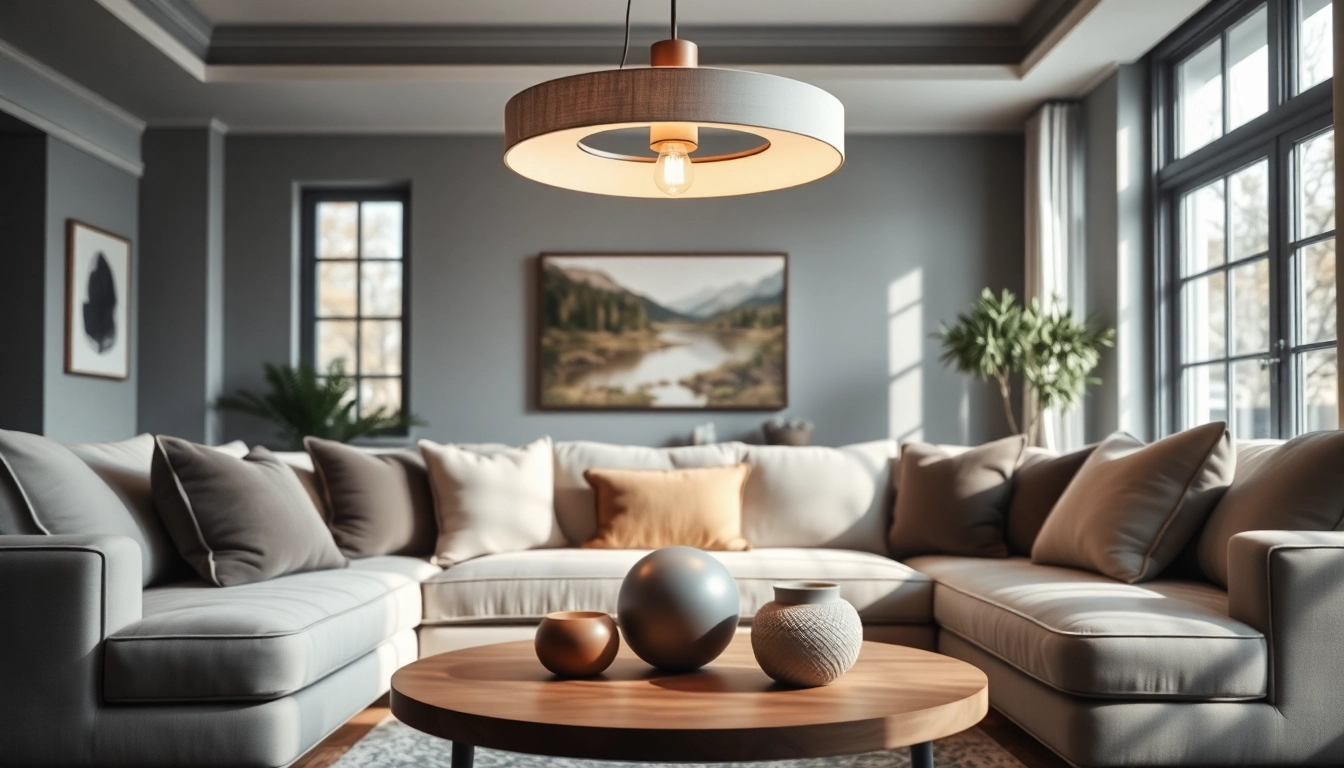
Understanding Modern Lighting Trends
In today’s design landscape, modern lighting is more than just a source of illumination; it serves as a vital component that enhances aesthetic appeal and functionality within a space. The evolution of lighting trends emphasizes innovative designs that embrace both style and sustainable practices. Those looking to elevate their living spaces should consider exploring the vast options available either online or in stores where you can Shop ModernLighting.
Key Characteristics of Modern Lighting
At the heart of modern lighting lies a set of characteristics that sets it apart from traditional styles. These include:
- Minimalist Design: Simple lines and uncluttered forms characterize many modern lighting fixtures. This approach emphasizes functionality and aesthetics simultaneously.
- Use of Unconventional Materials: Modern lighting often utilizes materials such as metal, glass, and even recycled materials, pushing boundaries in design.
- Versatile Applications: From pendant lights to statement chandeliers, modern lighting can fit in various spaces, ensuring versatility across different interior designs.
- Smart Technology: The integration of smart features in many modern lighting solutions allows for greater control over ambiance and energy efficiency.
Popular Styles and Designs
Exploring the various styles of modern lighting reveals a wealth of options catered to different tastes and needs. Here are some of the most popular options:
- Industrial: Featuring raw materials and robust constructions, industrial lighting embodies a trendy, urban aesthetic perfect for lofts and modern homes.
- Scandinavian: Known for simplicity and functionality, Scandinavian lighting often incorporates natural elements and neutral colors for a clean, cozy feel.
- Mid-century Modern: These fixtures highlight retro designs with organic forms, vibrant colors, and a mix of traditional materials.
- Modern Farmhouse: A trendy blend of rustic charm and contemporary elements, modern farmhouse lighting often includes wrought iron and mason jar designs.
How to Choose the Right Modern Lighting
Selecting the ideal modern lighting involves several considerations to enhance the mood and functionality of your space. Key factors include:
- Purpose: Identify the specific functions of the lighting. Are you looking to create a warm ambiance, provide task lighting, or highlight architectural features?
- Scale: Consider the size of the room and the furnishings to ensure that the lighting fixture complements the overall balance.
- Style Cohesion: Ensure that the selected lighting aligns with other design elements within the space for a cohesive look.
- Energy Efficiency: Opt for LED fixtures that reduce energy consumption while providing adequate lumens.
Benefits of Decorating with Modern Lighting
Integrating modern lighting into your home design offers numerous benefits beyond mere aesthetics. Here’s a closer look at the advantages of embracing this trend:
Energy Efficiency and Sustainability
One of the primary benefits of modern lighting is its energy efficiency. Many modern fixtures utilize LED technology, which consumes significantly less energy and has a longer lifespan than traditional incandescent bulbs. This not only reduces electricity bills but also contributes to a more sustainable living environment. As sustainability becomes increasingly crucial in home design, modern lighting aligns perfectly with eco-conscious practices.
Improving Aesthetics in Home Design
Modern lighting enhances the visual appeal of any space. Thoughtfully selected fixtures can serve as focal points, drawing attention to artwork or architectural features. Furthermore, modern lighting often incorporates innovative designs that reflect the latest trends, allowing homeowners to express their personal styles and elevate their interiors.
Lighting as a Functional Element
Beyond aesthetics, modern lighting plays a crucial functional role in spaces. Strategic placement can facilitate tasks, increase productivity, enhance security, and create inviting atmospheres. For instance, bright task lighting in a kitchen is essential, while softer, ambient lighting in a living room can promote relaxation. Understanding and utilizing the dual role of lighting can significantly improve the usability and comfort of your home.
Tips for Integrating Modern Lighting into Your Space
Successfully incorporating modern lighting involves careful planning and creative implementation. Here are practical tips to guide your lighting design journey:
Lighting Placement and Layering Techniques
The key to effective lighting is layering. Combine ambient, task, and accent lighting for a balanced distribution of light throughout the space. General ambient lighting provides overall illumination, while task lighting focuses on specific areas like workspaces or reading nooks. Accent lighting highlights art or architectural details, creating visual interest. Pay attention to the placement of fixtures to ensure optimum coverage without harsh shadows.
Combining Different Lighting Fixtures
Diversity in lighting fixtures can bring dynamic character to a room. When mixing fixtures, consider their height, size, and style to maintain cohesion. Matching hardware finishes can pull together visually distinct pieces to create a cohesive look. For instance, a striking pendant light can pair beautifully with understated wall sconces, providing both illumination and style.
Creating Ambiance with Modern Lighting
To foster a particular mood, the temperature of light plays a vital role. Warmer light tends to create a cozy environment, while cooler hues can promote focus and productivity. Dimmer switches offer versatility, allowing you to adjust brightness according to time of day or activity. Moreover, utilizing smart lighting technology enables remote control over lighting schemes, creating customizable atmospheres with ease.
Case Studies: Successful Modern Lighting Implementations
To illustrate the transformative power of modern lighting, here are several case studies showcasing successful integrations in diverse environments:
Residential Spaces to Inspire You
In a contemporary home, a mix of pendant lights and recessed lighting can create a stunning effect. The pendant lights over the kitchen island serve both as functional task lighting and artistic focal points, while recessed lights carry out ambient lighting evenly throughout the living areas. Homeowners can also achieve a comforting vibe by incorporating table lamps with warm light bulbs.
Commercial Spaces Utilizing Modern Lighting
In office environments, modern lighting solutions can increase productivity and worker satisfaction. Bright, adjustable task lighting at workstations promotes better focus, while soft ambient lighting in break areas supports relaxation. Smart technology is often employed in commercial spaces, allowing businesses to control light levels based on occupancy to save energy.
DIY Projects with Modern Lighting Fixtures
DIY enthusiasts find joy in creating unique lighting fixtures that reflect personal style. For example, repurposing old materials like wood pallets or wine bottles into stylish pendant lamps can result in eye-catching designs that are also sustainable. With a little creativity and basic electrical knowledge, anyone can add personalized lighting to their home decor.
Frequently Asked Questions About Modern Lighting
What types of modern lighting exist?
Modern lighting includes categories like pendant, wall sconces, chandeliers, recessed lighting, and floor lamps, each offering unique aesthetics and functionality.
How can lighting affect mood in a space?
Lighting can significantly influence mood; warm lights create intimacy and comfort, while bright lights promote alertness and focus, impacting productivity and relaxation.
Is modern lighting energy efficient?
Yes, many modern lighting fixtures, especially those with LED bulbs, are designed for energy efficiency, consuming less electricity and having longer lifespans compared to traditional bulbs.
How do I install modern lighting fixtures?
Installation typically involves turning off power, securing the fixture to the desired mounting surface, and connecting wires. For complex installations, consider hiring a licensed electrician.
What are the latest trends in lighting design?
Current trends include the use of smart lighting technology, sustainable materials, artistic organic shapes, and fixtures that blend indoor/outdoor styles for versatility.