Understanding the Basics of Sports Broadcasting
Defining Sports Broadcasting
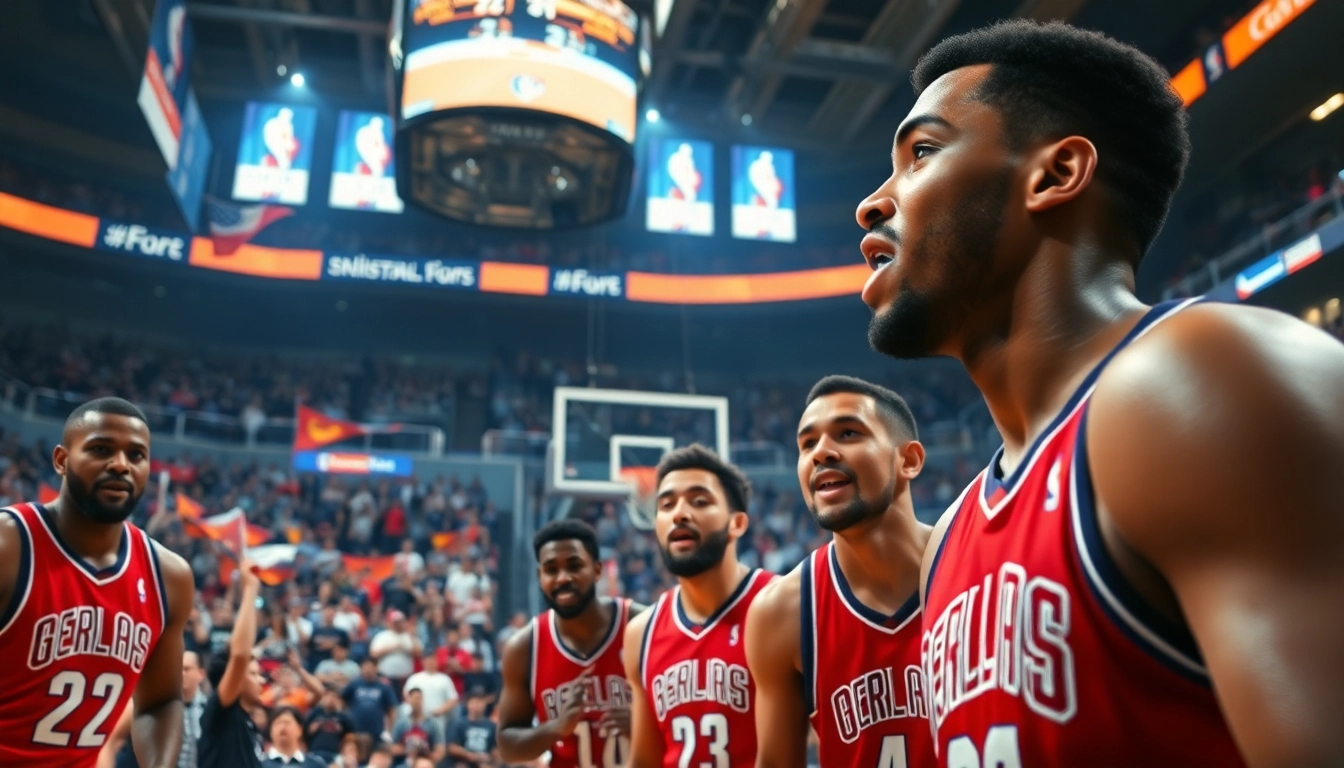
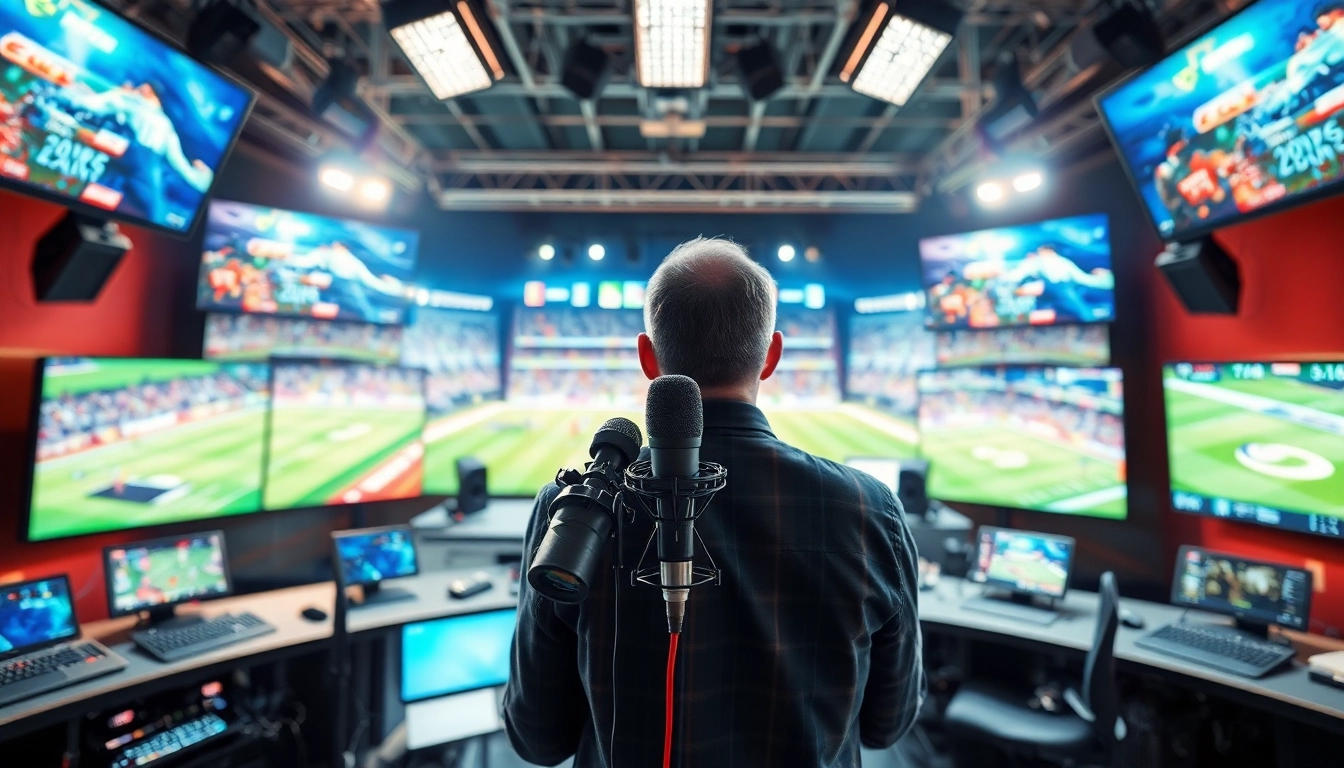
Sports Broadcasting refers to the dissemination of live or recorded sports events, news, and commentary through television, radio, and increasingly through digital platforms. This sector plays a crucial role in connecting fans with their favorite sports and athletes, providing a medium through which millions can share the excitement of live competition. The evolution of Sports Broadcasting has led to a diverse array of programming that includes not only live game broadcasts but also analysis shows, documentaries, and interactive fan engagement segments.
History and Evolution of Sports Broadcasting
The concept of Sports Broadcasting dates back to the early 20th century, when the introduction of radio allowed for live sports commentary to reach audiences, initially serving local interests before growing on a national scale. As technology advanced, the 1950s heralded the arrival of television as a dominant force in broadcasting sporting events. This era witnessed iconic events, such as the first televised NFL games, which captivated millions of viewers and solidified the role of TV in sports fandom.
The introduction of cable television in the late 20th century expanded the broadcasting landscape significantly, allowing sports networks to emerge and offering niche programming targeted at specific audiences. The rise of the internet in the 21st century further transformed Sports Broadcasting, giving birth to streaming services that allow for on-demand viewing and creating new possibilities for interactive fan experiences. Each technological advancement has reshaped how sports are consumed, making broadcasting a continually evolving field.
Key Components of Sports Broadcasting
Sports Broadcasting comprises several key components that collectively create the overall experience for viewers. These components include:
- Content Delivery: The primary focus is on efficiently delivering content, whether live broadcasts, recorded matches, or analysis shows.
- Audience Engagement: Engaging with audiences through social media, mobile apps, and interactive features enhances viewer loyalty and expands reach.
- Production Quality: High production values, including camera work, sound quality, and graphics, play a pivotal role in attracting and retaining viewers.
- Commentary and Analysis: Offering insightful commentary and expert analysis enriches the viewer experience, providing context and depth to the action on screen.
Current Trends in Sports Broadcasting
How Technology is Shaping Sports Broadcasting
Technology’s impact on Sports Broadcasting cannot be overstated. High-definition video, 4K streaming, and virtual reality technology have significantly improved the viewing experience. Innovations such as augmented reality graphics during live broadcasts provide viewers with enhanced insights into the game, displaying stats and player information dynamically, making the experience more immersive.
Moreover, advances such as 5G technology facilitate faster streaming capabilities, allowing for higher-quality mobile broadcasts. The introduction of interactive elements, such as real-time betting options, further engages the audience and transforms passive viewing into an interactive experience. As technology continues to evolve, the boundaries of how sports are broadcasted and consumed will keep expanding.
The Rise of Streaming Services
The emergence of streaming services has revolutionized Sports Broadcasting, ushering in a shift from traditional cable subscriptions to on-demand viewing. Platforms like Netflix and Amazon Prime have shifted the way audiences expect to consume media, leading many sports networks to create their own streaming options or partner with existing services to deliver live content.
This trend caters to the younger, tech-savvy audiences who prefer flexibility over traditional viewing schedules. Services like ESPN+ and DAZN have capitalized on this trend, offering subscription models that provide costs savings and convenience. This shift not only broadens access to various sports but also allows broadcasters to tailor content to diverse audience interests, further enhancing viewer satisfaction.
Impact of Social Media on Sports Broadcasting
Social media platforms have become integral to the sports broadcasting ecosystem, altering how content is created, distributed, and consumed. They serve as real-time engagement tools, connecting fans with live commentary, highlights, and behind-the-scenes content. Broadcasters leverage platforms like Twitter, Instagram, and TikTok to reach wider audiences and create communities around their brands.
Also, athletes have taken to social media to engage with their fans directly, often sharing content that supplements traditional broadcasts. This integration fosters a more personalized experience, allowing fans to connect with their favorite teams and athletes beyond the confines of the broadcast. The impact of social media on Sports Broadcasting represents a paradigm shift towards a more interconnected approach to fan engagement.
Challenges in the Sports Broadcasting Industry
Navigating Copyright and Licensing Issues
One of the most significant challenges in Sports Broadcasting involves navigating complex copyright and licensing regulations. As broadcasting often involves multiple stakeholders, including leagues, teams, and networks, securing the rights to air games can be a lengthy and costly process. These rights are often exclusive, leading to competitive bidding wars that can inflate costs.
Moreover, the increased presence of online streaming complicates matters further, as different regulations apply to digital versus traditional media. Broadcasters must stay up-to-date with legal frameworks to ensure compliance and protect their investments while maximizing audience reach. Innovative licensing agreements, including partnerships with streaming services, have emerged as strategies to effectively engage consumers while managing these challenges.
Maintaining Audience Engagement
With the abundance of content and viewing options available, maintaining audience engagement is a persistent challenge for sports broadcasters. This requires a proactive approach in understanding viewer preferences and creating content tailored to their interests. The rise of short-form content, interactive applications, and personalized experiences are ways broadcasters strive to retain viewers, making them feel a part of the sports community.
Furthermore, data analytics plays a crucial role in assessing viewer behavior, allowing broadcasters to adjust programming effectively to enhance engagement. This can include varying the timing of broadcasts, exploring new formats, or even incorporating audience feedback into live events. Continually innovating and adapting to audience trends is essential for sustaining viewer loyalty in a competitive landscape.
Adapting to Changing Viewer Preferences
Audiences today have diverse preferences influenced by generations of viewing habits and technological advancements. The traditional linear television model has become less dominant as younger viewers gravitate towards digital platforms and mobile devices. Broadcasters must adapt their content strategy to align with these preferences, embracing multi-platform distribution and creating content that resonates with various demographics.
This means not only investing in streaming options but also understanding the unique characteristics of digital platforms and adjusting content accordingly—be it through shorter highlights, interactive polls during broadcasts, or exclusive online content. This segmentation approach allows broadcasters to engage different audience segments more effectively.
Best Practices for Effective Sports Broadcasting
Techniques for Engaging Commentary
Effective commentary is pivotal in enhancing viewer experience during sports broadcasts. Commentators should adopt a conversational tone, fostering a connection with viewers while offering insights that add value to the game. Utilizing storytelling techniques to weave narratives about players, teams, and pivotal moments can captivate audiences and enrich their viewing experience.
Moreover, incorporating humor and relatable anecdotes can make broadcasts more enjoyable, helping to retain viewers’ attention throughout the event. Training and continuous improvement programs for commentators play crucial roles in enhancing their performance, ensuring a high-quality delivery that keeps audiences coming back for more.
Improving Production Quality
High production quality is a hallmark of effective Sports Broadcasting, encompassing everything from camera angles to audio clarity. Investing in cutting-edge technology, including high-definition cameras, aerial drones, and advanced sound systems, can create a more immersive viewing experience. Quality editing and graphics also enhance storytelling, making broadcasts visually appealing and informative.
Coordinated efforts among production teams ensure that these elements come together seamlessly. Regular feedback from viewers about production quality can guide ongoing improvements and help prioritize areas for investment, leading to a continually refined broadcasting experience.
Utilizing Data Analytics for Programming
Data analytics offer incredible insights that can drive programming decisions and enhance viewer engagement. By analyzing viewer habits, preferences, and interactions, broadcasters can tailor their content to meet specific audience needs more effectively. This can manifest in scheduling decisions, format changes, or even personalized advertising strategies.
Furthermore, analytics can inform potential sponsorship opportunities, identifying which demographics advertisers should target to maximize their investment. Utilizing data proactively allows broadcasters to create a viewer-centric approach, leading to greater satisfaction and loyalty.
Future of Sports Broadcasting
Predictions for Industry Developments
The future of Sports Broadcasting is poised for transformative changes driven by rapid advancements in technology and evolving viewer expectations. Industry experts predict a shift towards even more immersive experiences, with virtual and augmented reality expected to become mainstream in broadcasting. Imagine watching a game from a player’s perspective or experiencing the view from a skybox via VR technology—these possibilities are looming around the corner.
Additionally, as 5G technology continues to roll out globally, the potential for unprecedented streaming quality and lower latency is likely to become a game-changer. This may lead to broadcast options we can’t yet fathom, enhancing viewer experiences beyond traditional formats.
Potential Innovations on the Horizon
Innovations in sports broadcasting are expected to explore interactive formats that allow fans to customize their viewing experiences. This could include multiple camera angles or unique perspectives on select plays, allowing viewers to curate content around their interests. Also, integrating gamification elements, such as quizzes or fantasy sports interplay, might enhance interactivity, encouraging deeper audience engagement.
Artificial intelligence is also poised to play a significant role in content creation, potentially automating certain aspects of commentary and providing real-time data analysis to enrich broadcasts further. As these technologies mature, we can expect a more personalized and interactive approach to Sports Broadcasting.
Preparing for the Next Generation of Viewers
As the demographic landscape evolves, broadcasters must prepare for the next generation of viewers, who will demand even more customization and interactivity in their viewing experiences. Younger audiences are accustomed to consuming content on mobile devices and expect everything on-demand. To cater to these preferences, broadcasters will need to focus on delivering content across multiple devices and enhancing the interactivity of broadcasts.
Moreover, understanding cultural trends and community interests will be crucial in developing relevant content that resonates with emerging audience segments. Building a comprehensive strategy that embraces these changes can position broadcasters favorably as they engage the future market.
What is Sports Broadcasting?
Sports Broadcasting involves transmitting live sports events, updates, and commentary across television and digital platforms, connecting fans with their favorite sports.
How has technology impacted Sports Broadcasting?
Technology has revolutionized Sports Broadcasting with innovations like HD video, streaming services, virtual reality experiences, and data analytics, enhancing viewer engagement.
What are major challenges for Sports Broadcasters?
Key challenges include copyright issues, engaging diverse audiences, balancing traditional and digital strategies, and adapting to changing consumer preferences.
What trends should we expect in Sports Broadcasting?
Expect increases in personalized viewing experiences, the continuation of streaming services, heightened social media integration, and the use of data for fan engagement.
How can broadcasters enhance viewer engagement?
Broadcasters can enhance engagement by creating interactive content, utilizing social media platforms for real-time interaction, and focusing on high-quality production standards.