
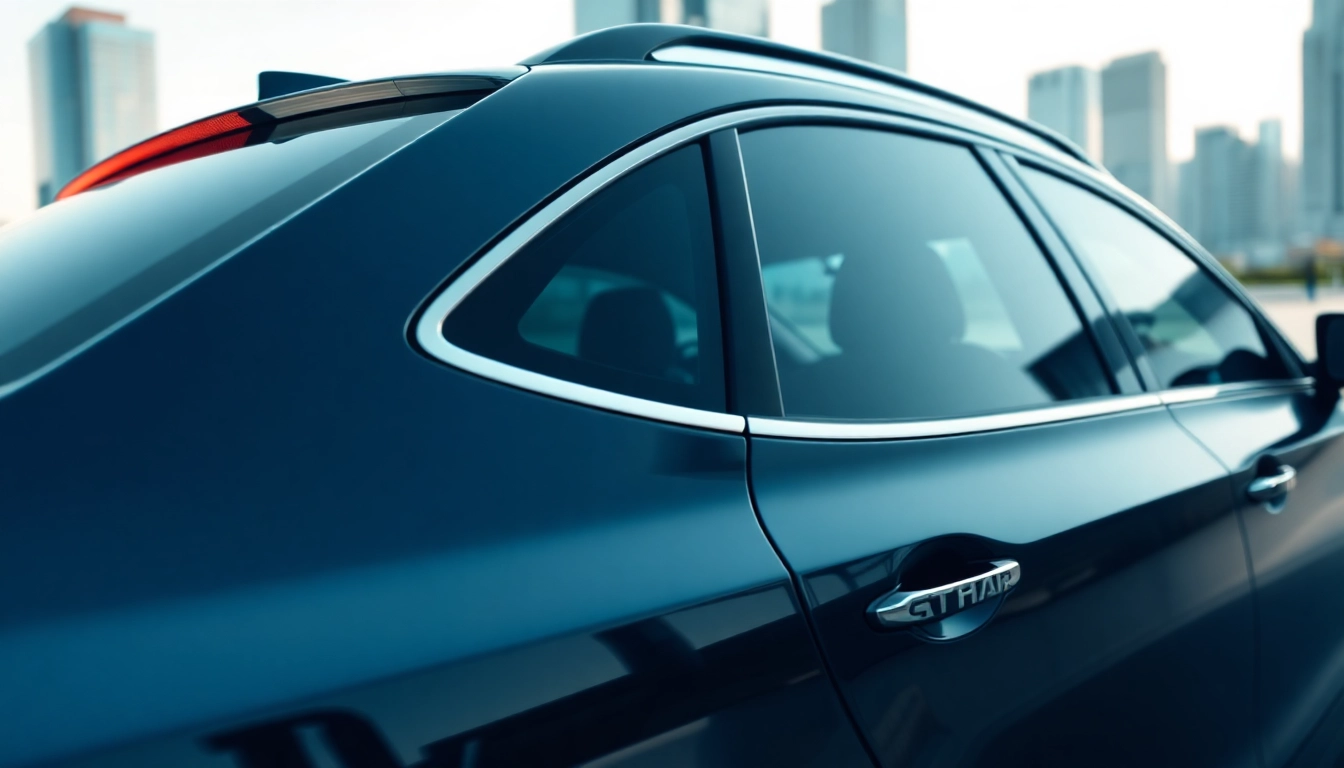
Understanding Window Tinting Cleveland TN
Window tinting has become a popular customization for vehicles across the United States, including Cleveland, TN. This process involves applying a thin film to the windows of a vehicle to reduce glare, enhance privacy, and provide insulation against UV rays. In this article, we will delve deeply into the various aspects of window tinting Cleveland TN, revealing its advantages, types, the installation process, maintenance, and answer frequently asked questions. For those interested in enhancing their vehicle’s aesthetics and function, quality window tinting Cleveland TN can be a smart investment.
What is Window Tinting?
Window tinting involves applying a specialized film to the glass surfaces of vehicles, buildings, or other glass installations. This film varies in thickness, material, and color, allowing for customization based on individual preferences and needs. The most commonly used materials include dyed polyester, metalized layers, and ceramic elements. Each type offers different advantages in terms of light reduction, heat absorption, and durability.
Benefits of Window Tinting Cleveland TN
Choosing window tinting offers a wide array of benefits, particularly in regions with varying climates like Cleveland, TN. Here are some notable advantages:
- Heat Reduction: Tinted windows can block a significant percentage of solar heat, making your vehicle cooler in the summer months and reducing the load on your air conditioning system.
- UV Protection: High-quality window films can block up to 99% of harmful UV rays, protecting passengers and the interior of the vehicle from sun damage.
- Enhanced Privacy: Window tinting provides added privacy for you and your belongings, deterring potential theft.
- Glare Reduction: Driving can be challenging in bright light conditions. Tinted windows help decrease glare for improved visibility and comfort.
- Aesthetic Appeal: Window tinting can greatly enhance the look of a vehicle, giving it a sleek, professional appearance.
- Pothole and Glass Protection: Tints can help hold shattered glass together in case of an accident, lowering the risk of injuries from flying shards.
Common Myths about Window Tinting
Despite its popularity, misinformation about window tinting persists. It’s essential to separate fact from fiction:
- Myth 1: Tinted windows are illegal everywhere.
Fact: Each state has its own laws regarding window tint darkness and reflectivity. It’s crucial to understand local regulations before proceeding. - Myth 2: Tint will make your windows shatter more easily.
Fact: The window film can actually provide safety benefits by keeping shattered glass in place during an impact. - Myth 3: All tints are the same.
Fact: Tints vary greatly in quality and functionality; higher-quality films provide better protection and last longer. - Myth 4: Tinting reduces visibility at night.
Fact: Properly applied tint can enhance visibility without compromising clarity.
The Different Types of Window Tinting
Types of Window Films
When considering window tinting Cleveland TN, familiarity with the various types of window films is crucial. The main categories include:
- Dyed Window Film: This type uses a dye to absorb solar heat and reduce glare. While cost-effective, it can fade over time and doesn’t provide as much UV protection as other types.
- Metalized Window Film: This film includes metallic particles that reflect solar energy, offering excellent UV protection and durability. It can cause some interference with electronic devices.
- Ceramic Window Film: Known for its high performance, ceramic films offer superior heat and UV rejection without affecting visibility or signal reception. They are more expensive but highly regarded for durability.
- Carbon Window Film: This type contains carbon particles that block UV rays and heat. It doesn’t fade quickly, maintaining its appearance longer than dyed films.
Choosing the Right Tint for Your Vehicle
Selecting the appropriate tint for your vehicle depends on several factors, including your objectives, budget, and compliance with local laws. Consider the following:
- Performance Needs: If heat rejection is your primary goal, opt for ceramic or metalized films, while dyed films are suitable for basic shade without advanced performance.
- Budget Considerations: While it may be tempting to choose the cheapest option, investing in a higher-quality film can save money on repairs and replacements in the long run.
- Legal Limits: Always check local regulations regarding the permissible levels of tint darkness to avoid potential fines or penalties.
Legal Regulations on Window Tinting Cleveland TN
In Tennessee, window tinting regulations require you to remain informed to ensure compliance. The front windshield can only have a non-reflective tint above the AS-1 line (the top 5 inches of the windshield). For front side windows, a maximum visible light transmission (VLT) of 35% is permitted, while back side and rear windows can be tinted to any darkness. Always check the latest state laws as regulations may change.
Installation Process for Window Tinting Cleveland TN
Preparing Your Vehicle for Tinting
Before tint installation, proper preparation of your vehicle is necessary. Here are steps to follow:
- Thorough Cleaning: Clean windows with an ammonia-free cleaner to remove dirt, grime, and debris, ensuring a smooth application.
- Remove Interior Parts: Detach any items blocking the windows, such as panels or visors, to facilitate access to the glass surface.
- Temperature Considerations: Ensure that the vehicle is in a controlled environment; extreme temperatures can affect adhesive quality.
Step-by-Step Installation Guide
The installation of window tinting requires precision for optimal results. Below is a general overview of the process:
- Cutting the Film: Measure and cut the window film according to the dimensions of each window. Templates may be used for accuracy.
- Applying the Film: Use a slip solution to aid in placement, applying the film to the interior side of the window.
- Smoothing the Film: Smooth out bubbles or imperfections using a squeegee, pushing air and liquid towards the edges.
- Trimming Edges: Carefully trim excess film using a sharp blade for a neat finish.
- Drying Time: Allow the film to cure as recommended by the manufacturer, typically a few days to weeks, before cleaning or rolling down windows.
Common Mistakes to Avoid
Common errors during the installation process can lead to unsatisfactory results. Here are mistakes to avoid:
- Poor Cleaning: Failing to clean the surface thoroughly can trap dirt under the film, leading to bubbles and imperfections.
- Incorrect Measurements: Always double-check dimensions to avoid cutting the film too small or too large.
- Ignoring Legal Specifications: Ensure that your tint complies with local laws to avoid legal complications.
- Neglecting Installation Environment: Installing in areas with too much dust or in extreme temperatures may compromise the adhesion of the film.
Maintenance and Care for Window Tinting
How to Clean Tinted Windows Properly
Cleaning tinted windows correctly ensures they maintain their appearance and performance. Follow these guidelines:
- Use Gentle Cleaners: Avoid ammonia-based cleaners, as they can degrade film quality. Use a mild soap diluted with water.
- Use Soft Cloths: Microfiber cloths are ideal for cleaning tinted windows, preventing scratches and damage.
- Avoid Aggressive Scrubbing: Clean the surface by gently wiping with downward strokes to avoid bubbling or peeling.
Signs That Your Tint Needs Replacement
Over time, window tinting may wear down or become damaged. Look for these signs that your tint may need replacement:
- Peeling Edges: If the edges of the tint are lifting, it’s a sign that reapplication is necessary.
- Bubbling or Cracking: Air bubbles or cracks indicate the film is deteriorating and can affect visibility.
- Fading: A noticeable change in color or clarity can call for a replacement to restore function and aesthetics.
Longevity of Window Tinting Cleveland TN
The lifespan of window tinting largely depends on the type of film used, installation quality, and environmental factors. Generally, high-quality films can last between 5 to 15 years, while cheaper options may need replacement sooner. Proper care and maintenance can dramatically extend the life of your tint.
Frequently Asked Questions
How does window tint improve comfort?
Window tint reduces solar heat gain, keeps interiors cooler, minimizes glare, and protects passengers from UV rays, enhancing overall comfort during driving.
What are the cost factors for window tinting?
Cost factors include film type, vehicle size, labor expenses, and any applicable state taxes or fees for compliance. Prices can vary widely based on these elements.
Can I install window tint myself?
While DIY installation is possible, professional installation is recommended for optimal results in appearance and longevity, ensuring the job is done right and legally.
Will window tint affect my warranty?
Typically, professionally installed window tint does not void vehicle warranties. Nonetheless, always verify with your dealer to ensure compliance with terms.
How do I choose a professional for installation?
Look for certified professionals with good reviews and clear experience in window tinting. Checking references and asking about warranties can also help you choose wisely.