
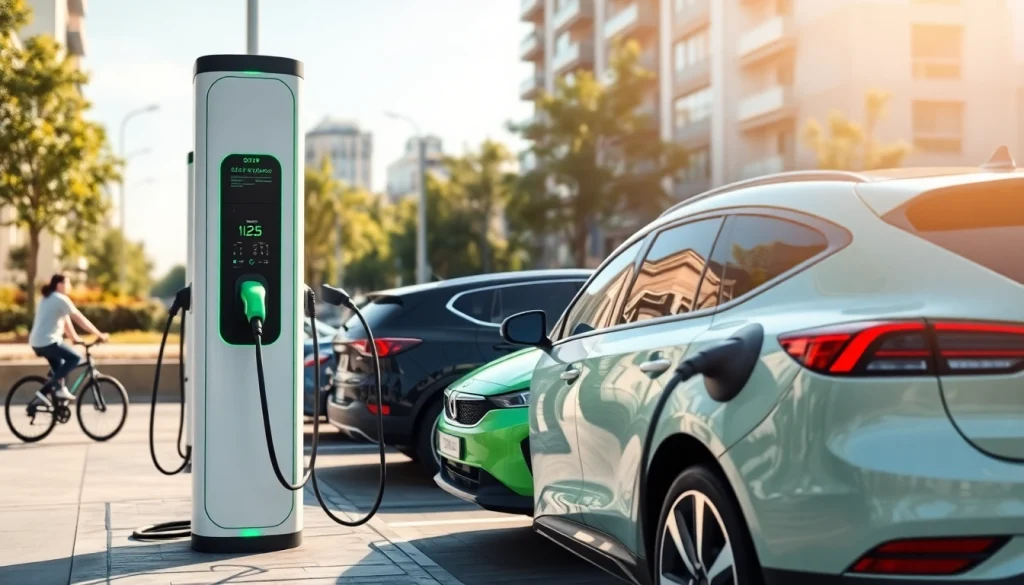
Understanding EV Charging Solutions
Electric vehicles (EVs) are transforming the way we think about transportation, pushing the boundaries of efficiency and sustainability. As more consumers and businesses pivot to EV usage, the challenge of charging these vehicles efficiently has emerged. Implementing EV charging solutions is essential for a seamless transition to electric mobility. This comprehensive guide will explore what EV charging solutions entail, the various types available, their benefits, and strategies for selecting and optimizing these solutions.
What are EV Charging Solutions?
EV charging solutions refer to the infrastructure and services required for powering electric vehicles. This encompasses multiple aspects, including charging stations, compatibility with various EV models, billing systems, and support services. The development of these solutions is crucial as it supports the growing demand for electric transportation and provides convenience and efficiency for users.
Types of EV Charging Solutions Available
There are several types of EV charging options, each suited for different applications:
- Level 1 Charging: Utilizes a standard 120V outlet, typically for at-home charging. It is slower and takes longer to fully charge a vehicle.
- Level 2 Charging: Commonly used in public charging stations and businesses, it requires a 240V outlet, allowing for faster charging times.
- DC Fast Charging: Provides rapid charging, making it ideal for commercial use, such as in fleet operations or highway charging stations. It can charge a car up to 80% in approximately 30 minutes.
- Wireless Charging: An emerging technology that allows EVs to charge without plugging in, utilizing electromagnetic fields to transfer energy.
Benefits of Integrating EV Charging Solutions
Integrating EV charging solutions offers numerous advantages:
- Enhanced Accessibility: Provides convenient charging options for both personal and fleet use, promoting the shift to electric vehicles.
- Cost Savings: Many EV owners can save on fuel and maintenance costs, while businesses can benefit from government incentives for installing charging infrastructure.
- Environmental Impact: Encourages the use of clean energy and contributes to a reduction in carbon emissions.
- Increased Property Value: Businesses with charging stations can attract more customers, enhancing their brand image and improving the property value.
Choosing the Right EV Charging Solutions
Factors to Consider When Selecting EV Charging Solutions
When selecting the most suitable EV charging solutions, it’s imperative to consider several factors:
- Charging Speed: Choose a solution that meets the charging speed needs of the users.
- Location: Assess where charging stations will be most beneficial—whether at homes, workplaces, or public areas.
- Compatibility: Ensure that the chosen system is compatible with the diverse range of EV models available in the market.
- Future-Proofing: Anticipate future growth and trends in electric mobility to select scalable solutions.
Common Challenges and How to Overcome Them
Deploying EV charging solutions comes with challenges. Here are some common issues and strategies to address them:
- Infrastructure Costs: High upfront costs can be mitigated by utilizing government grants or incentives. Partnering with established firms can also reduce expenses.
- Technical Limitations: Engage with experts to assess individual needs and capabilities. Regular maintenance is vital to ensure functionality and reliability.
- User Education: Provide resources and training to ensure users know how to effectively utilize the charging solutions.
Best Practices for Implementation
Effective implementation of EV charging solutions involves several best practices, including:
- Conducting a Site Assessment: Evaluate the best locations for charging stations based on traffic patterns and accessibility.
- Opting for Smart Charging Solutions: Implement smart charging systems that optimize power usage and reduce costs.
- Integrating Renewable Energy: Whenever possible, couple charging stations with solar panels or other renewable energy sources to maximize efficiency and sustainability.
Optimizing EV Charging Solutions
Monitoring and Managing EV Charging Solutions
For businesses and property managers, continuous monitoring is essential to optimizing EV charging operations. Utilize software that provides detailed analytics on usage patterns and operational status. This data helps to:
- Identify peak usage times.
- Adjust pricing strategies to optimize revenue.
- Manage energy consumption effectively.
Integration with Renewable Energy Sources
Integrating EV charging solutions with renewable energy not only promotes sustainability but can also significantly reduce operational costs. By utilizing solar or wind energy, organizations can power their charging stations with clean energy, further reinforcing their commitment to environmental stewardship.
Enhancing User Experience Around EV Charging Solutions
To improve user experience, consider the following strategies:
- User-Friendly Technology: Implement intuitive charging interfaces that simplify the process for users.
- Mobile Accessibility: Provide mobile applications that allow users to find stations, check availability, and make payments easily.
- Customer Support: Offer robust customer service to address queries and ensure a smooth user experience.
Future Trends in EV Charging Solutions
Technological Advancements on the Horizon
The EV charging landscape is rapidly evolving. Emerging technologies such as vehicle-to-grid (V2G) systems will allow EVs to feed energy back into the grid, creating a dual-use scenario for batteries. Additionally, increased adoption of ultra-fast charging stations will greatly reduce downtime for electric vehicles.
Impact of Regulations and Incentives
Governments worldwide are rolling out initiatives to bolster EV adoption, including subsidies and policies that encourage businesses to install charging stations. Staying abreast of these changes ensures compliance while capitalizing on financial incentives.
Predictions for the EV Charging Market
The EV charging market is projected to see exponential growth, driven by an increase in electric vehicle adoption, advancements in charging technology, and supportive government policies. By investing in robust infrastructure now, stakeholders can position themselves favorably for the future.
Frequently Asked Questions about EV Charging Solutions
What is the typical charging time for EVs?
Charging time varies by EV type and charger speed, typically ranging from 30 minutes with fast chargers to several hours with standard home chargers.
Are there free EV charging solutions available?
Yes, many public spaces like malls, parking lots, and restaurants offer free charging stations to encourage the use of electric vehicles.
How do I install EV charging solutions at home?
Consult with a licensed electrician and select a charger compatible with your EV; installation typically takes a few hours depending on site requirements.
What maintenance do EV charging solutions require?
Regular inspections of connectors and software updates ensure your charging station’s optimal operation and efficiency.
How can businesses benefit from EV charging solutions?
They attract customers, provide convenience, reduce operational costs, and enhance eco-friendly branding, offering a competitive edge in the market.