
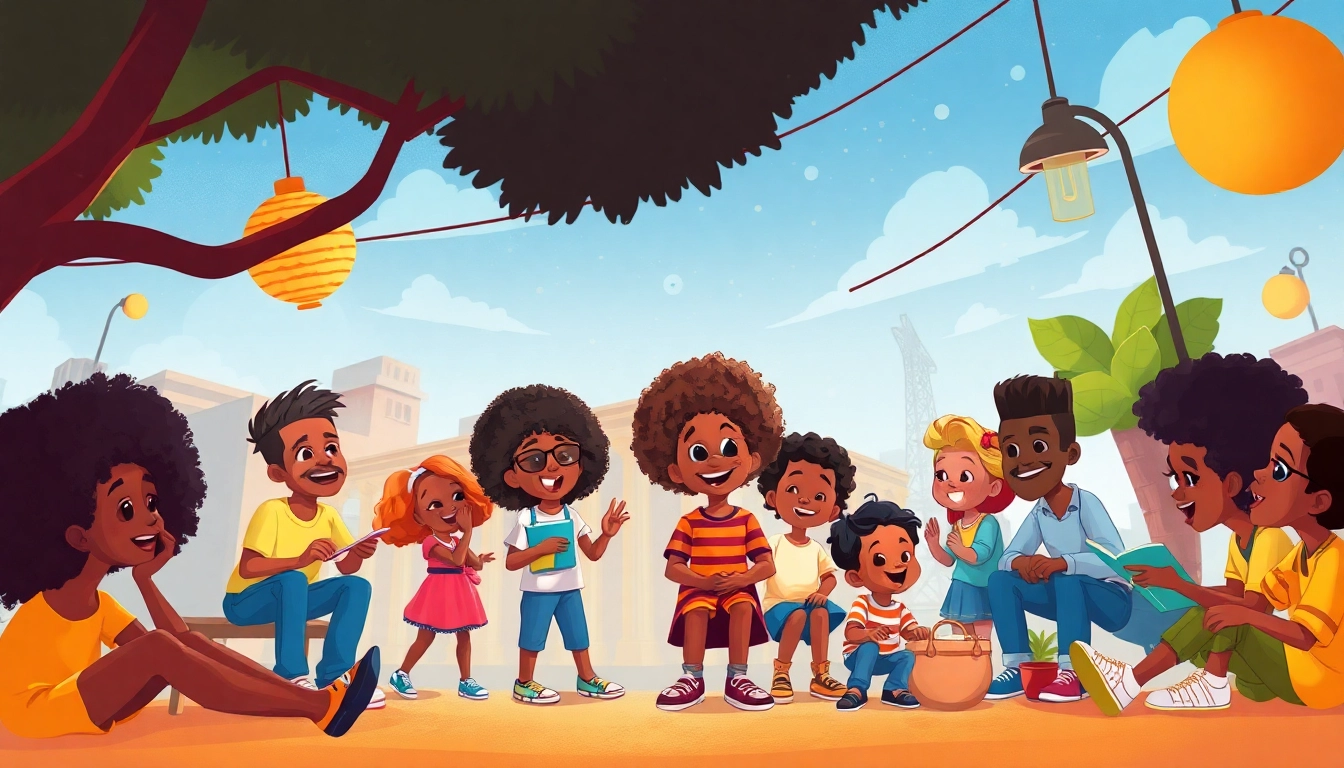
The Rich History of African American Cartoons
From the whimsical to the thought-provoking, African American cartoons have captivated audiences for generations. They not only entertain but also carry rich narratives that reflect diverse experiences and cultural heritage. The significance of representation in this medium cannot be overstated, as these animated stories have become a critical platform for visibility and voice in a historically underrepresented industry. When exploring options, African American Cartoons offer a unique perspective that resonates with viewers across all demographics.
Understanding Iconic Characters and Their Impact
Iconic characters like Huey and Riley Freeman from *The Boondocks* have not only entertained but have also sparked conversations about race, politics, and identity. These personalities serve as mirrors reflecting societal issues, which is essential for fostering empathy and understanding. Characters such as Frozone from *The Incredibles* have broken stereotypical molds, presenting African Americans in roles of strength and heroism. The impact of these characters extends beyond entertainment, as they contribute to the shaping of cultural narratives and perceptions in society.
Evolution of Storytelling in Animated Series
The storytelling in African American cartoons has evolved dramatically over the years. In the early days, many shows relied heavily on slapstick humor and caricatures, often reinforcing harmful stereotypes. However, recent programming has shifted towards more nuanced storytelling that incorporates themes of family, community, and empowerment. Shows like *The Proud Family* have illustrated the importance of heritage and family dynamics, while also addressing contemporary issues such as social justice and mental health.
Representation and Diversity in Animation Today
Today, the animation landscape is more diverse than ever. Not only are there more African American lead characters, but the influence of African American culture is evident in a broader range of shows. Productions now employ writers and creators from diverse backgrounds, ensuring that narratives are authentic and reflective of real experiences. This push for representation is essential in crafting stories that engage, inspire, and resonate with audiences around the world.
Top 10 Must-See African American Cartoons of 2026
The animated landscape is constantly evolving, with 2026 set to showcase an exciting array of African American cartoons that highlight diverse narratives and engaging characters. These shows represent a culmination of stories that are both entertaining and educational, making them must-see for audiences of all ages.
Highlighting Groundbreaking Shows and Characters
- Craig of the Creek - This show follows a group of friends as they explore the great outdoors, teaching lessons of friendship, teamwork, and ingenuity.
- Motown Magic - A musical adventure that introduces children to the rich history of Motown while emphasizing creativity and self-expression.
- The Proud Family: Louder and Prouder - A modern revival of the beloved classic that explores contemporary issues while maintaining the essence of its predecessor.
- Doc McStuffins - This series features a young girl who aspires to be a doctor, breaking gender and racial stereotypes in children's programming.
- The Amazing World of Gumball - Though not exclusively African American, it features diverse characters and often draws from various cultural influences.
- The Boondocks (new season) - A highly anticipated revival that continues to explore race and identity through sharp humor and social commentary.
- Big Mouth - This adult animated series provides a humorous peek into the awkwardness of adolescence, featuring characters that reflect the diverse society we live in.
- Black Panther: Tales of Wakanda - Based on the Marvel franchise, this show expands on the rich lore of Wakanda and its inhabitants.
- Esme and Roy - Focusing on the importance of caring and empathy, this animated series encourages kindness and friendship among children.
- Gracie's Corner - A delightful educational series that incorporates music while teaching important values and cultural pride.
What Makes These Cartoons Unique
Each of these shows brings something unique to the table, whether it's through storytelling techniques, character development, or cultural representation. The emphasis on authenticity in African American cartoons is evident, with creators drawing from their own experiences to craft relatable narratives. This authenticity not only makes the characters more relatable but also enriches the viewing experience for everyone, regardless of background.
Viewer Reception and Cultural Significance
Critical reception for these cartoons has highlighted their impact on cultural discourse. Viewers appreciate the blend of humor and serious topics, making the shows both entertaining and educational. The cultural significance extends beyond entertainment; these cartoons foster dialogue among families, helping to bridge gaps in understanding and promoting acceptance and diversity.
How African American Cartoons Promote Inclusion
Inclusion is a key theme in contemporary African American cartoons, offering children and families insight into diverse cultures while promoting empathy and understanding. These animated series serve as vital tools for teaching young audiences about identity, community, and social dynamics.
Educational Value for Children and Families
These programs are not just entertainment; they are educational platforms that introduce young viewers to various cultural narratives. Through engaging plots and relatable characters, children learn valuable lessons about empathy, kindness, and cultural appreciation. For example, shows like *Doc McStuffins* teach children about healthcare, while also emphasizing representation in traditionally white-dominated fields.
Encouraging Conversations About Culture and Identity
Through relatable characters and scenarios, African American cartoons provide a springboard for discussions about race, culture, and identity. Parents can use these narratives to initiate conversations about diversity, helping children to understand and appreciate the complexities of the world around them. This dialogue is crucial in cultivating a generation that values inclusion and equity.
Case Studies: Success Stories from Viewers
Many parents have reported positive changes in their children’s attitudes and understanding of race and culture after watching these cartoons. A study conducted in 2025 indicated that children exposed to diverse programming showed higher levels of empathy and understanding towards peers from different backgrounds. Such success stories emphasize the profound impact that animated programming can have on shaping young minds.
Behind the Scenes: Creators of African American Cartoons
The creators of African American cartoons play a vital role in determining the narratives that come to life on screen. Their backgrounds and experiences lend authenticity to the stories being told, making it essential to highlight their contributions to the industry.
Profiles of Influential Writers and Animators
Notable creators such as Aaron McGruder (*The Boondocks*) and Bruce W. Smith (*The Proud Family*) have paved the way for future generations of animators and writers. They not only created beloved characters but also sparked important dialogues about race and representation in media. Emerging voices in the industry continue to push boundaries, ensuring that a diverse array of stories is told.
The Process of Creating Culturally Relevant Content
Creating culturally relevant content involves extensive research, collaboration, and a commitment to authenticity. Writers and animators must work closely with cultural consultants to ensure that the narratives they craft reflect true experiences, leading to richer and more meaningful stories. This process is crucial in building trust and credibility with audiences.
Challenges Faced in the Animation Industry
Despite progress, many creators face significant challenges in the animation industry, including funding constraints, limited representation in leadership roles, and societal biases that affect the stories being told. Overcoming these barriers is essential to ensure a more inclusive and diverse range of animated content that resonates with all audiences.
The Future of African American Cartoons: Trends for 2026 and Beyond
As we look to the future, the trends in African American cartoons are promising. The industry is poised for growth, with more platforms recognizing the importance of diverse content. Innovations in technology are also playing a role in shaping how stories are told and experienced.
Emerging Themes and Techniques in Animation
The coming years will see a rise in themes related to social justice, activism, and mental health, reflecting the growing societal awareness of these issues. Techniques such as virtual reality (VR) and augmented reality (AR) may also start to influence traditional animation, providing immersive experiences that enhance storytelling.
Predictions for Viewership Growth and Engagement
As more diverse content becomes available, viewership is expected to grow, especially among younger audiences who actively seek out programming that resonates with their experiences. Engaging storytelling coupled with relatable characters will continue to be a driving force in attracting and maintaining viewers.
How Technology is Shaping Animation for Diversity
Emerging technologies like AI and machine learning will enable creators to analyze audience preferences and tailor content accordingly. This data-driven approach could lead to a more personalized viewing experience, allowing for deeper engagement with characters and stories. Moreover, social media platforms provide critical avenues for animation creators to reach audiences, promoting new works while fostering community around shared narratives.